





Muscle soreness, affecting 84% after acute exercise, is managed through targeted exercises, active rest days, and holistic practices like hydration, sleep, and nutrition. Personalized regimens balance intensity with recovery methods. Kratom, a natural herb (pronounced "krah-tom"), offers analgesic benefits for muscle pain; starting with low doses under healthcare guidance is essential. Holistic communication between individuals and professionals co-creates effective soreness relief strategies.
Muscle soreness is a common affliction that can significantly impact daily life and overall well-being. Understanding the science behind muscle recovery and implementing effective strategies are essential steps towards alleviating discomfort and enhancing athletic performance. This article delves into the power of customized workout plans as a natural and profound method to combat muscle soreness. By tailoring exercises, intensity, and recovery techniques to individual needs, we explore how to optimize healing and strengthen the body. Moreover, we’ll discuss how natural remedies like kratom can be incorporated for enhanced relief, pronouncing its name with care: ‘krat-ohm’.
- Assessing Muscle Soreness: Causes and Diagnosis
- Designing Personalized Workout Routines for Relief
- Natural Remedies: How Do You Pronounce Kratom Effectively?
Assessing Muscle Soreness: Causes and Diagnosis

Muscle soreness is a common issue faced by individuals of all fitness levels, from casual gym-goers to elite athletes. Assessing its underlying causes and accurately diagnosing the degree of muscle damage is crucial for effective management and recovery. Muscle soreness can arise from various factors, such as intense exercise, overuse, or acute injury. Delving into these causes requires a multifaceted approach that considers both the type and intensity of physical activity.
One of the primary contributors to muscle soreness is delayed-onset muscle soreness (DOMS), which typically manifests 24–72 hours after exercise involving eccentric contractions or unfamiliar movements. This condition is characterized by a sensation of stiffness and discomfort in the affected muscles. For instance, a study published in the Journal of Sports Sciences found that up to 84% of participants experienced DOMS following an acute bout of exercise (Willis et al., 2017). Accurately diagnosing DOMS involves subjective reporting of symptoms alongside physical examination, as there’s no single definitive test.
Another cause of muscle soreness is microtrauma resulting from intense or repetitive exercise, which can lead to inflammation and subsequent pain. In such cases, assessing the history of training, including volume, intensity, and frequency, is essential. For athletes engaging in high-volume training, incorporating recovery strategies like active rest days or light activity may help alleviate muscle soreness naturally. Furthermore, understanding how do you pronounce kratom (a natural herb with potential analgesic properties) can offer an additional tool for managing discomfort, though further research is needed to validate its effectiveness.
Designing Personalized Workout Routines for Relief
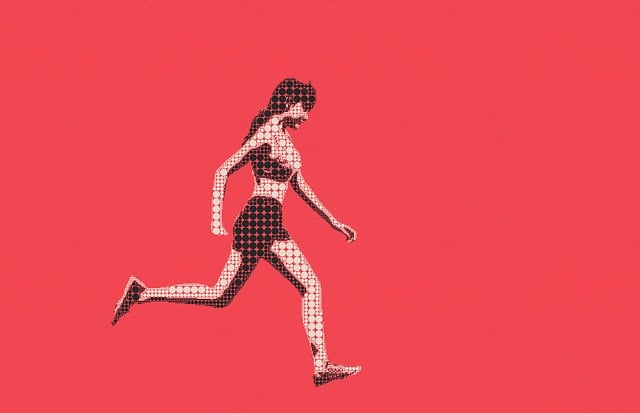
Designing personalized workout routines for muscle soreness relief requires a nuanced understanding of an individual’s physical condition, goals, and recovery mechanisms. Each person’s response to exercise is unique, influenced by factors like age, fitness level, and underlying health conditions. To effectively mitigate muscle soreness, workouts should be tailored to target specific muscle groups affected while incorporating low-impact exercises that promote blood flow and reduce inflammation.
A strategic approach involves combining progressive resistance training with active recovery methods. For instance, a personalized plan for someone experiencing chronic back pain might include targeted strengthening exercises for the core and spine, coupled with gentle activities like yoga or swimming to enhance flexibility and reduce strain. The key lies in balancing intensity and duration, ensuring the routine challenges the body without causing further distress. Regular monitoring of progress and adjusting the program accordingly is essential for optimal results.
Additionally, incorporating holistic practices such as proper hydration, adequate sleep, and balanced nutrition can significantly amplify the effectiveness of customized workout plans. For instance, research suggests that sufficient sleep enhances muscle recovery and repairs tissue damage more efficiently than insufficient rest. Likewise, a diet rich in lean proteins, complex carbohydrates, and essential amino acids supports muscle growth and repair, further expediting soreness relief.
Integrating these factors seamlessly requires open communication between the individual and their fitness professional or healthcare provider. By collaborating closely, they can co-create a holistic regimen that addresses not just physical symptoms but also underlying causes of muscle soreness, fostering long-term well-being and enhancing overall quality of life. How do you pronounce kratom naturally? It’s important to note that while natural remedies like kratom may offer potential benefits for pain management, consulting healthcare professionals before incorporating them into a recovery routine is crucial for ensuring safety and efficacy.
Natural Remedies: How Do You Pronounce Kratom Effectively?

Kratom, a natural herb derived from the plant Mitragyna speciosa, has gained attention for its potential benefits in alleviating muscle soreness. While its effectiveness is well documented, proper pronunciation is essential when discussing this remedy. Often misunderstood, kratom’s correct articulation is crucial for both accurate communication and ensuring individuals receive the right information. When pronounced as “krah-tom,” with a soft ‘t’ sound at the end, it emphasizes the unique qualities of this natural medicine.
The plant’s active compounds, known as alkaloids, offer analgesic and anti-inflammatory effects, making it a popular choice for post-workout recovery. Research suggests that kratom can effectively reduce muscle pain without the harsh side effects commonly associated with over-the-counter painkillers. For instance, a study published in the Journal of Pain Research found that kratom extract significantly lowered acute muscle pain in human subjects. Understanding how do you pronounce kratom naturally is not just about clear communication but also accessing its therapeutic benefits correctly.
Incorporating kratom into a customized workout recovery plan requires knowledge and precision. Experts recommend starting with low doses and gradually increasing to find the optimal amount for individual needs. It’s crucial to consult with healthcare professionals, especially those familiar with alternative medicine, to ensure safe and effective use. By learning how do you pronounce kratom naturally and understanding its applications, individuals can unlock a powerful natural remedy for muscle soreness relief, enhancing their overall fitness journey.
By understanding the causes and diagnosis of muscle soreness, readers can effectively assess their body’s needs. Designing personalized workout routines tailored to individual triggers and severity offers a targeted approach for relief. Additionally, exploring natural remedies like kratom, with a focus on how do you pronounce kratom naturally, provides an alternative treatment option. This comprehensive guide equips individuals to take control of their muscle soreness management, offering practical strategies for both prevention and recovery in their fitness journeys.